
Skateboarding puts on the afterburners
By Donny Fraser
I have lived and breathed skateboarding for over 20 years. In that time, I’ve watched coaching evolve from a niche concept into a mainstream pillar of athlete development. But as skateboarding accelerates, we have to ask ourselves: Are we keeping pace, or are we just coasting on passion?
Skateboarding is unique. The current generation of coaches grew up in an era where skating wasn't just a sport, it was a total identity. Finding people with that level of "lifer" obsession is like finding a unicorn in the modern world. However, that same passion can also make us insular when we are looking to grow.
A large portion of the skateboarding coaching community has never actually been coached themselves, nor have they stepped outside the park to see how other elite sporting codes operate. We have the technical skills, but do we have the framework to be able to empower all of our coaches?
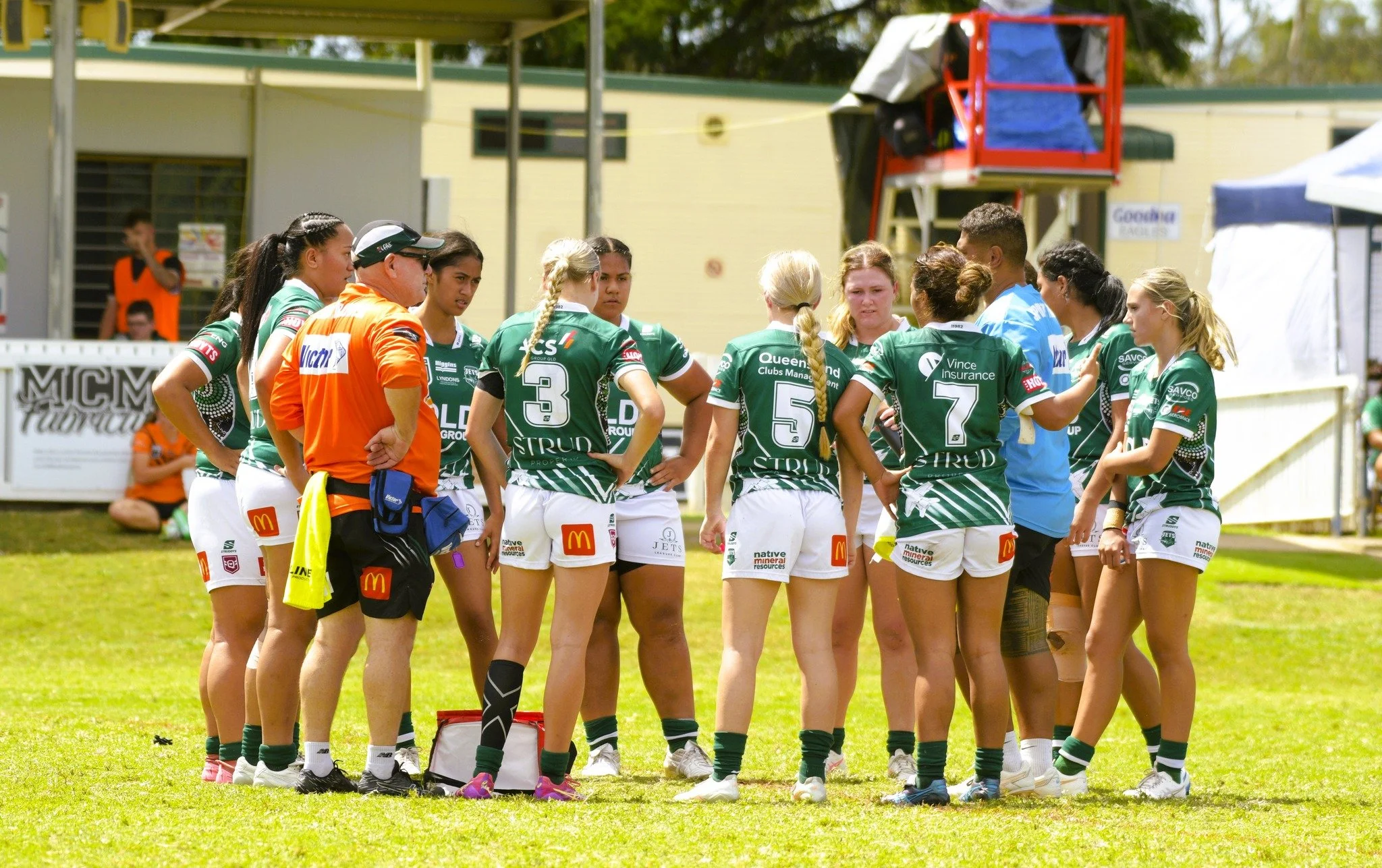
Into the Deep End: The Ipswich Jets
In November last year, I decided to break the skate bubble. I threw myself into the deep end, joining the Ipswich Jets to assist their Under-19 Women’s Rugby League program.
The goal was simple: Spend six months embedded in a well-developed, legacy sporting system to see what skateboarding could learn from the big codes, and with the Jets being so welcoming, exchange what skateboarding has that’s great too.
Over the last half-year, I didn’t just watch from the sidelines; we integrated. We looked at how they handle everything from squad selections to governance to lesson structures.
As skateboarding matures into a Tier-1 global sport, the energy that got us here isn't enough to keep us at the top. To produce world-class athletes consistently, we must share and acknowledge experts across the board for continuous growth.
My time with the Jets wasn't about changing the soul of skateboarding; it was about upgrading the engine.

Who are the Ipswich Jets?
To understand the lessons learned, you first have to understand the powerhouse that is the Ipswich Jets.
Competing in the Queensland State League and affiliated with the Gold Coast Titans (NRL), the Jets sit at the heart of the highest junior participation zone in Southeast Queensland. They aren't just a team; they are a massive developmental engine. Their system is a masterclass in:
Talent Identification: Finding the best talent across a massive geographic area.
High-Performance Pathways: Taking a 16 year old with raw talent and providing a structured map to the professional NRL/NRLW ranks.
Professional Standards: Operating with a level of clinical discipline that is often missing in the world of action sports.
Embedding ourselves in the Under-19 Women’s program allowed us to see the backstage of elite sport.
We understand the resources available to the NRL and skateboarding are 2 different things. So there was never any expectation for skateboarding to have the resources available to them that the Jets do. However, there were large instances of learnings that can be utilised across the board.
The Welcome
When you’ve spent 20 years in the world of skateboarding, walking into a high performance football club is a culture shock in the best possible way. We often talk about vibe in skating, but the Jets taught me about Intentional Culture.
On day one, before a single whistle blew, six things happened that changed my perspective on how we should be treating our athletes and staff:
1.Awareness
I wasn't the new guy standing awkwardly on the sidelines. Every staff member from the head coach to the trainers knew exactly who I was, my background in skateboarding, and why I was embedded in their program. In elite sports, information is currency; they don't waste time on the who are you.
2. The Introduction Standard
Every person I encountered went out of their way to introduce themselves. It sounds simple, but the level of respect and genuine interest in getting to know the person before the professional was a masterclass in building a cohesive team. It immediately broke down the barriers of being from a different sport.
3. The Power of the Badge
I was immediately supplied with the official Jets uniform. It seems like a small detail, but the psychological shift is massive. The moment you put on the kit, you aren't an individual anymore, you are part of a legacy. It creates an instant sense of accountability and pride that we often miss in the highly individualistic world of skateboarding.
4. Investment
The Jets didn’t just expect me to have all the answers; they invested in me. Within my first weeks, I was provided with formal, paid training to enhance my skills specifically for the role. This growth mindset is something I would love to see in skateboarding. We shouldn't just hire people for what they know now, we should be building them into what the sport needs for tomorrow.
5. Respect for the Unconventional
Coming from a skateboarding background into a traditional Rugby League environment, I’ll admit I expected some skepticism. I braced myself for the it’s just a toy or it’s just a hobby comments that have followed our sport for decades.
Instead, I found the exact opposite.
From the moment I stepped onto the field, I was treated as a subject matter expert. The Jets coaching staff didn’t just tolerate my presence; they actively sought my input. They recognized that while the ball and field were different, the physics of movement, the psychology of risk, and the pursuit of elite performance are universal. It definitely assisted my with having previous experience assisting skateboarders like Haylie Powell on her journey, with our focus being young females, I had subject matter expertise working with individuals.
6. What I learned about being Valued:
They saw my 20 years of skateboarding experience as an asset.
There was a total absence of ego. In a high-performance environment, if you have a skill that can make the athlete 1% better, you are respected. Period.
Being accepted by a legacy code like the Jets validated something I’ve known for a long time: Skateboard coaching is a high-level discipline. When we stop seeing ourselves as just skaters and start seeing ourselves as specialised coaches, the rest of the sporting world follows suit.
The Ipswich Jets didn't just give me a six-month role; they gave me a glimpse of what the future of coaching standards could look like. It’s a future where we are professional, unified, and respected.
If a 40-year-old Rugby League club can see the value in a skateboarder’s perspective, it’s time we started seeing that same value in ourselves.
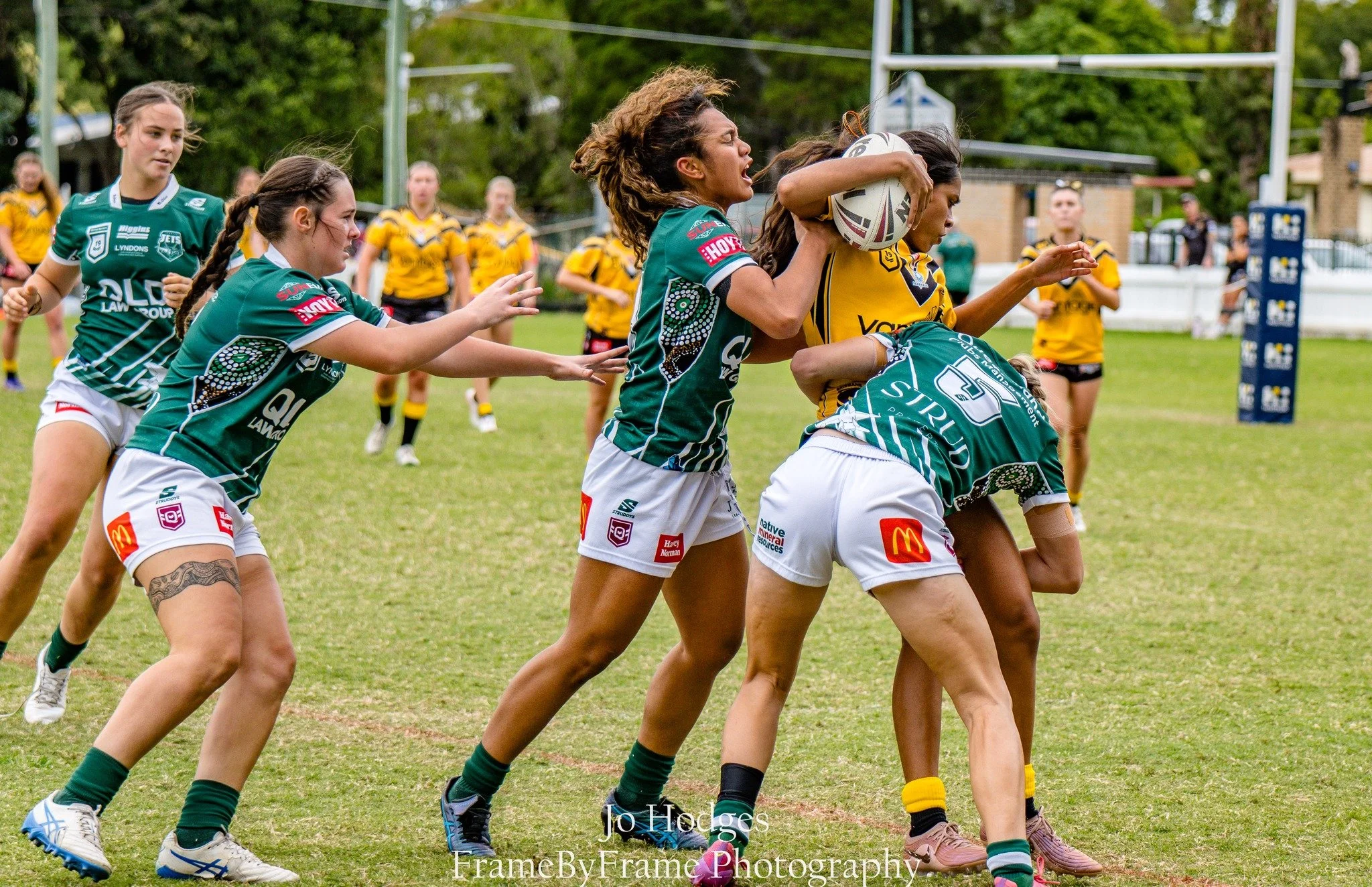
Coaches & Structure
When you look at a skateboarding event or a training session, you see a lot of coordination happen on the day, But at the Jets, the chaos is gone, replaced by a Beehive of activity where every movement had a purpose.
The sheer scale of the staff was impressive, but more impressive was the clinical clarity of their roles. There was no stepping on toes; there was only synchronicity.
1. The Hierarchy of Expertise
The sideline wasn't just coaches; it was an ecosystem:
The Three-Tier Trainer System with Blue, Orange, and Yellow shirts. Each color represented a distinct, known role (from first aid and water to high-level strapping and injury management). You didn't have to ask who to go to; you just looked for the color.
A dedicated Wellbeing Coordinator ensuring the athletes were mentally on, and Team Managers/Coordinators handling the logistics that usually distract a coach.
A Head Coach providing the vision, supported by assistant coaches executing the technical details.
2. The Power of the Unified Voice
The most striking lesson for me was how the Head Coach’s vision filtered through the entire staff.
In skateboarding, athletes often get conflicting advice: one coach tells them to flip more,another says use the rails and the athlete ends up confused. At the Jets, this didn't happen. The messaging was consistent. Every staff member, from the trainers to the managers, adopted the Head Coach’s plan.
Because the staff were all on the same page, the athletes received a singular, clear message. This consistency built immense trust; the athletes got behind the vision because they weren't being pulled in different directions.
3. Precision Logistics
Whether it was organized on-site training or coordinating travel for away games, the accuracy was military-grade. Everyone knew their role, and more importantly, everyone was willing to help wherever necessary. There was no that’s not my job mentality. If a bag needed moving or an athlete needed support, the closest person stepped in, knowing they were supported by the framework.
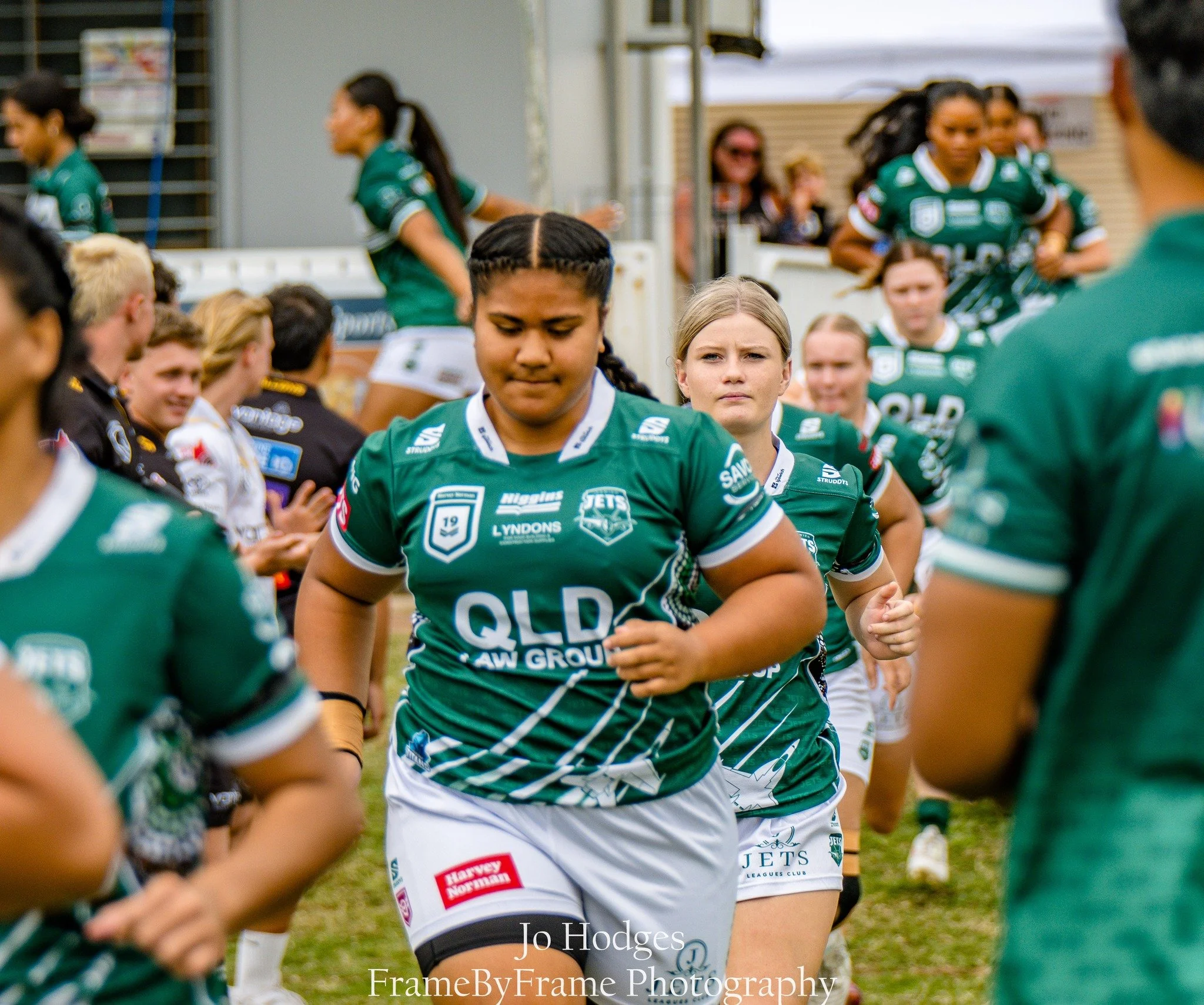
Bringing the "Beehive" to the Park
As we grow Skateboarding, this is the model we should strive towards.
Imagine a skate competition where:
Judges, coaches, and event staff have the same "consistent messaging" for athletes.
Support staff (Wellbeing and Trainers) are clearly identified and integrated into the "Field of Play."
The athlete can focus 100% on their performance because the "Beehive" around them is handling the logistics with accuracy.
Structure doesn't restrict an athlete; it creates a safe space for them to be elite. When the staff knows their roles, the athlete can find theirs.
Understanding skateboarding has its challenges, big country, coaches and athletes spread everywhere, but ultimately enhancing the experience of athletes can totally be improved.

Coaching principles and structure
Watching the Jets’ Under-19 women dominate on the field wasn’t just the result of physical talent; it was the result of a coaching philosophy that prioritized clarity, empathy, and preparation. Here are the core pillars that changed my perspective on athlete management.
1. The Power of "The Why"
In skateboarding, we often tell kids, "Do it like this." At the Jets, every drill, every sprint, and every tactical play was accompanied by an explanation of why.
When an athlete understands the purpose behind the repetition, they stop just doing it and start believing in it. This transparency builds an immediate bridge of trust between the mentor and the athlete.
2. Connection Before Correction
The coaching staff lived by a singular principle: “They won’t care what you have to say until they know how much you care.”
Respect isn’t demanded; it’s earned through connection. By showing genuine interest in the athletes as people, not just players, the coaches created a culture where feedback was welcomed, not feared. This emotional safety is exactly what fuels growth and success under pressure.
3. Breaking Down the Fundamentals
I watched complex field maneuvers broken down into tiny, manageable steps. Nothing was skipped.
The team had a massive focus on defense. By drilling the fundamentals of a tackle over and over, these women were able to absolutely dominate on game day. It proved to me that in skateboarding, we often rush to the big trick while neglecting the foundational mechanics that break down tricks into detail.
4. No Surprises
Every training session was preceded by a digital training plan sent to every coach and athlete.
Everyone knew the drills, the timelines, and the expectations before they even stepped onto the grass. This eliminated the anxiety of the unknown and allowed everyone to arrive with a focused, high-morale mindset.
Detailed plans for travel and arrival times on game day removed the mental clutter, allowing athletes to save their cognitive energy for the game itself.
5. Handling the Tough Conversations
Dropping a player or changing their role is the hardest part of coaching. At the Jets, I saw this handled with a level of professionalism we should all aspire to.
Decisions weren't just "handed down." They were explained with "the why" and crucially provided a clear roadmap of exactly what the athlete needed to improve to earn their spot back. It turned a negative moment into a structured opportunity for growth.
My six months with the Ipswich Jets wasn't just an observance, It was a masterclass in human performance.

The Governance Blueprint
In the world of skateboarding competitions, the event organizer is often tasked with providing the judge, the announcer, the medic, and the coach all rolled into one.
At the Jets, I saw a governance model that was clean, divided, and highly efficient.
1. Decoupling Officiating from Performance
On a Jets game day, the club doesn't worry about who is refereeing or touch-judging.
The National/State Sporting Organisation (NSO/SSO) provides all accredited officials for the game.
This allows the coaching staff and team managers to focus 100% on their athletes. In skateboarding, imagine a world where the event organizer focuses on the show and the skaters, while a separate, neutral body provides accredited, professional judges. It removes bias, reduces stress, and elevates the integrity of the results.
2. The Power of Unified Learning The NRL has mastered Consistency at Scale. Whether you are coaching an Under-6 team in a rural town or the top-flight Jets in the State League, you are using the same educational framework.
All accreditations, coaching, training, and officiating, are managed through a single, streamlined portal.
Professionalism Through Accreditation
By mandating that every person on the sideline has a specific, NRL-verified accreditation, the sport protects its product.
Currently, skate coaching and judging can be inconsistent from one town to the next. By adopting a "One Portal" model like the NRL, we can ensure that a Level 1 Coach in Perth has the same baseline knowledge and professional standard as one in Brisbane.
Professionalizing the Sideline
Governance isn't just about rules, it’s about freedom.
When the governance is strong when the officials are provided and the training is centralized, it frees the coaches to be mentors and the athletes to be stars.
As we look toward 2032, the goal in skateboarding should be to advocate for improved clarity and structure from grassroots upwards.
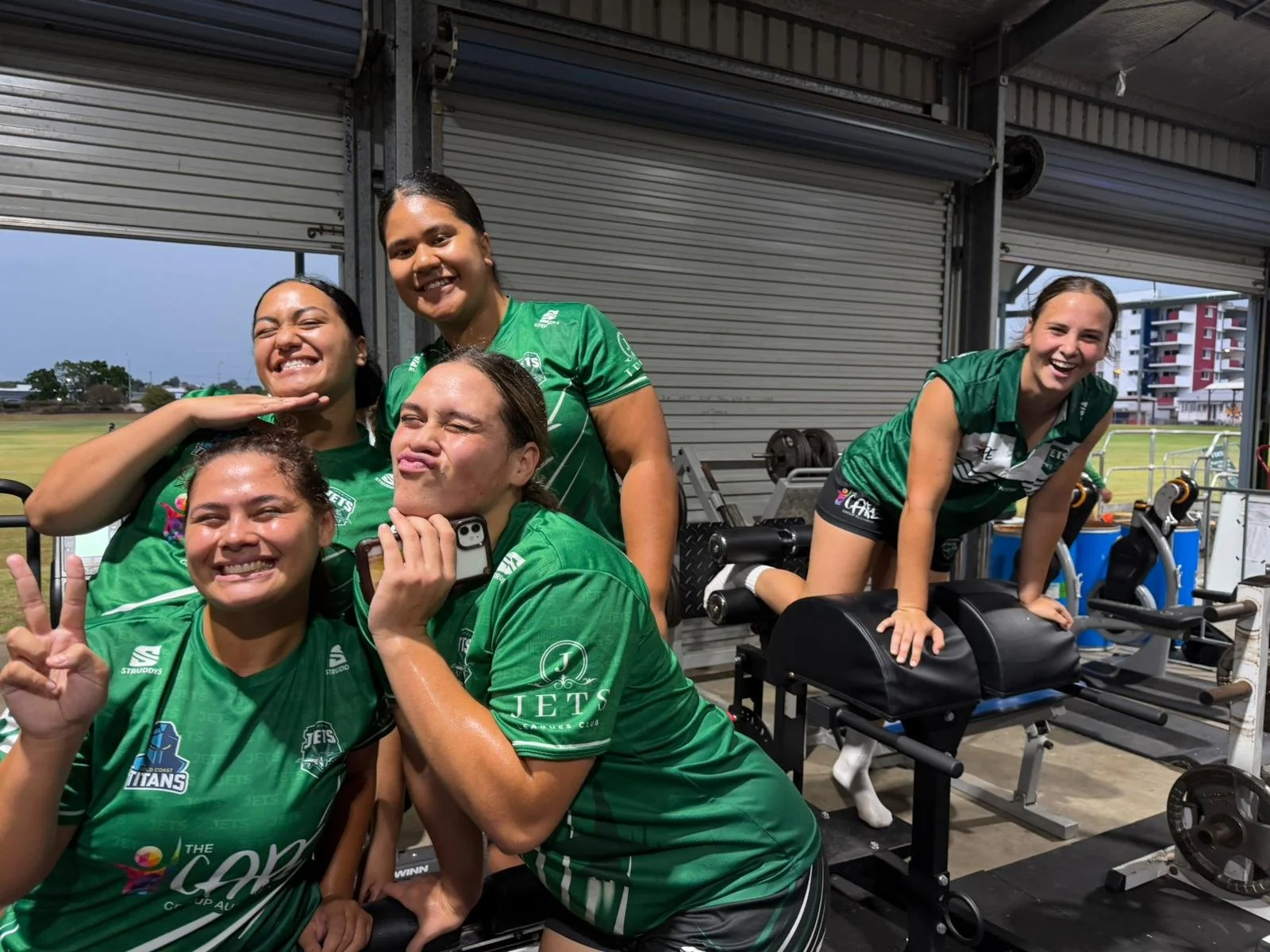
Does it work?
Results speak louder than words,and under this model here are some of the results from the framework of the Jets.
Within one season they have:
1. Changed their win percentage from 0% to 50%, with one draw.
2. Moved from 13th on the ladder to 6th.
3. Increased their for and against from -104 to -16, an improvement of 14.6 points per game.
Final Reflections: What the Jets Taught Me About the Future
My six months at the Ipswich Jets was more than just a cross-code experiment; it was a career-defining experience. As I return my focus fully to skateboarding, I’m carrying more than just notes, I’m carrying a new standard.
1. The Athletes are incredible people
First and foremost, the young women in the Under-19 program are incredible. They are role models in the truest sense, leading with grit, hard work, and an infectious team-first attitude. Watching their growth off the field was just as rewarding as watching them dominate on it. I am forever grateful for the opportunity to work alongside you all. There are processes I witnessed within this female-led program that I believe are the missing links for skateboarding and sports at large.
2. A New Standard of Respect
It sounds simple, but the level of respect between athletes, officials, and coaches at the Jets was a revelation. To be honest, I felt more respected walking into a foreign sport than I have felt personally in skateboarding in a long time.
Rather than dwell on that gap, I’ve chosen to use it as fuel. I am committed to leading by example, bringing that same level of professional courtesy and mutual respect to every interaction I have in my own field.
3. The Power of Defined Roles
The success of a season isn't just about the talent on the field; it’s about the clarity of the sideline. At the Jets, the lines between coaching staff, match officials, and the NSO are crystal clear. This structure eliminates friction and allows everyone to excel in their specific lane. This is a primary area where Australian skateboarding has the most room to grow.
4. Making "Care" Visible
In skateboarding, we have the passion, but we often keep it under wraps. At the Jets, the care that coaches and volunteers had for the athletes was palpable and publicly communicated. They weren't just training players, they were helping people succeed. I believe that if we become more articulate about why we care in skateboarding, we will see a massive shift in athlete retention and community support.
5. Accountability, Structure, and the 1 %ers
The transition from a vibe-based session to a planned session is where champions are made. The one-percenters I saw at the Jets, the detailed training plans, the pre-session briefings, the structured timelines, make a tangible difference in athlete wellbeing. When an athlete knows exactly what is expected of them, their anxiety drops and their performance climbs.
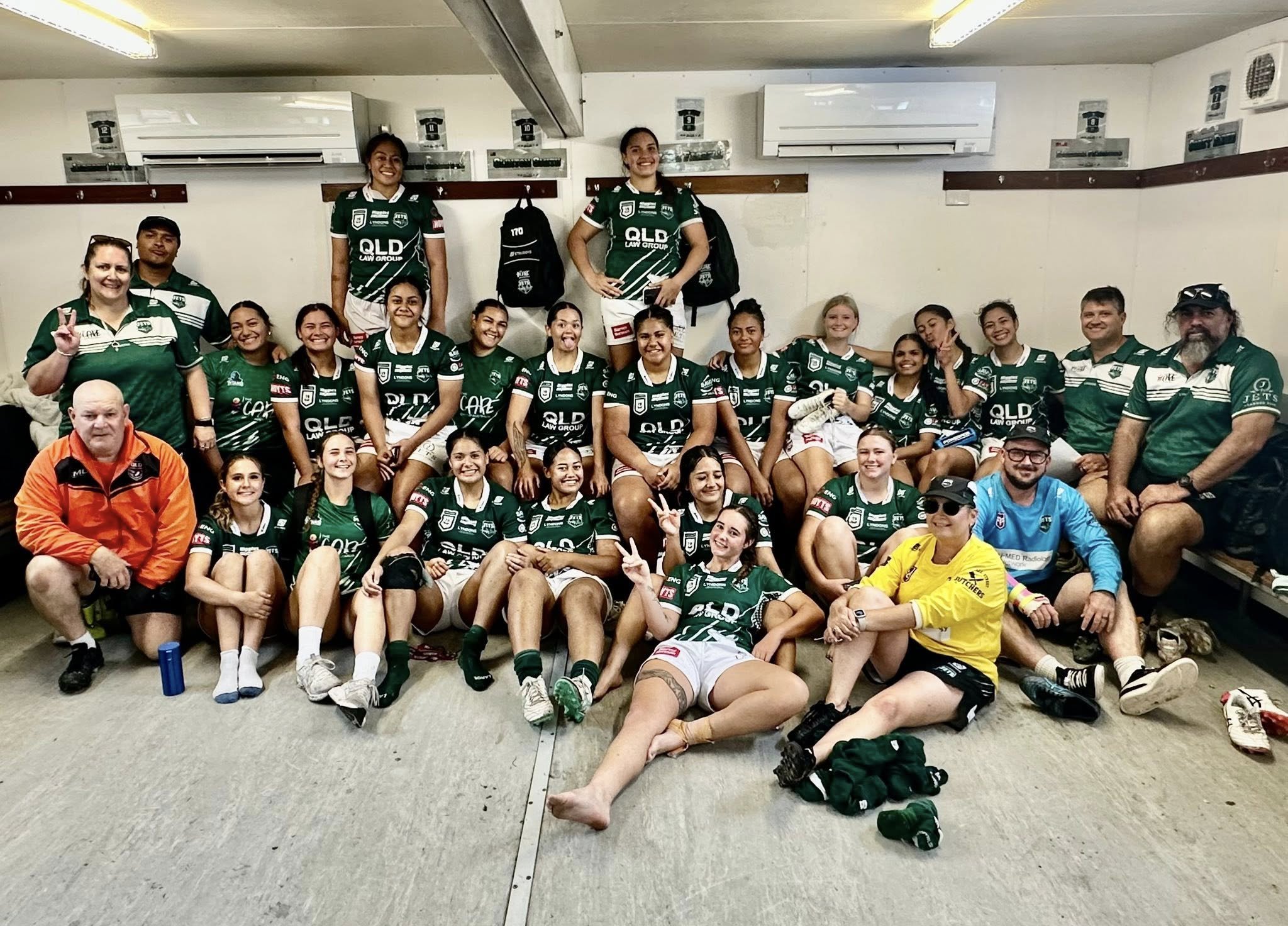
What’s Next?
I am currently compiling a comprehensive report based on this six-month immersion. This report will outline specific, actionable suggestions to provide new knowledge and skillsets to the skateboarding community.
To everyone at the Ipswich Jets, from the front office to the trainers on the grass: thank you. In true Jets fashion, I won’t single out individuals, because your success is entirely collective. You are an amazing club, and the world of skateboarding thanks you for your warm welcome and your invaluable lessons.
The Return Serve: A Two-Way Street
While I spent the last six months embedded in the world of Rugby League, the most exciting part of this journey is that the collaboration isn't a one-way street.
I’ve spoken a lot about what I’ve learned from the Jets, but I am stoked to announce that we are now "returning the serve." We will soon be welcoming several Ipswich Jets coaches and staff members to our own national events, including The Rumble.
They’ll be heading over to the skatepark to see how we manage our unique high-pressure environments, our creative judging systems, and the culture that makes skateboarding a global phenomenon.
I am incredibly proud of this cross-code collaboration. It proves that when we open our doors and share our expertise, every sport wins. I look forward to welcoming the Jets crew into our world and showing them exactly why skateboarding is one of the most exciting sports on the planet.